
Wedding Dress Preservation: Is It Still Important for Simple Dresses?
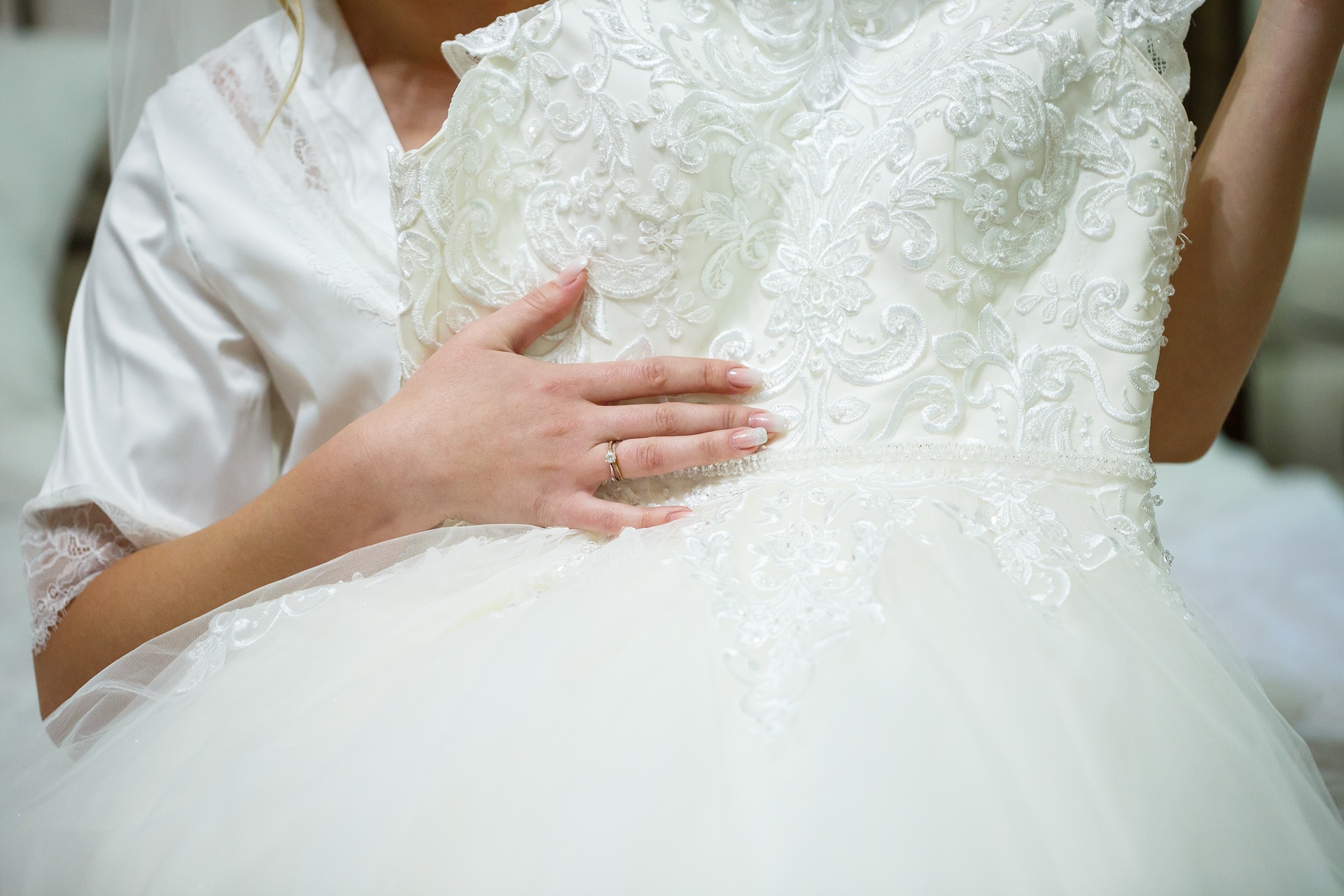
No heavy beading. No dramatic ballgown layers. Just clean lines, beautiful fabric, and timeless elegance.
If that’s the kind of wedding dress you wore, you likely wanted something that transcends trends. But if you think simple means low maintenance or less fragile, you might be setting up your dress for problems you can’t see yet.
Without lace appliqués or ornate details, it may seem less delicate or easier to preserve. But simple dresses often highlight every subtle shift in fabric tone and texture, especially over time. Before you decide preservation isn’t necessary for a dress this understated, let’s talk through what can affect even the most minimalist wedding dress.
The Invisible Stains That Affect Every Wedding Dress
Your dress may look spotless right now. No red wine splashes. No obvious dirt along the hem. But what you can’t see is often what causes the most long-term damage. And this applies to every dress, especially simple styles.
Minimalist dresses actually make hidden stains more dangerous because there’s nowhere for discoloration to blend in later. Smooth satin, crepe, or silk acts like a blank canvas. When oxidation starts, it shows.
Sweat
Even if you didn’t sweat heavily, your body naturally released moisture throughout the day. Under the arms, along the back, and around the waistline – these areas absorb perspiration without leaving obvious marks.
Here’s the problem:
- Sweat contains salts.
- Those salts remain in the fibers.
- Over time, they react with air, causing yellowing.
On a heavily beaded dress, that yellowing may hide within layers. On a clean, structured sheath? It becomes noticeable fast.
And no, the stain doesn’t have to look big. It only takes residue.
Body Oils
Natural skin oils transfer wherever your dress touches you, including the neckline, straps, bodice, and even the zipper area. These oils don’t always show up immediately. But they sit quietly in the fabric.
Months later, you’ll notice:
- Darkened neckline edges
- Slight yellow tint near seams
- Uneven discoloration across the bodice
It may look like aging, but it’s actually untreated oil residue.
Simple dresses usually feature smooth, uninterrupted fabric across the torso. That means body oils have direct contact with large, visible sections of material. The cleaner the design, the more obvious the damage becomes later.
Champagne and Sugar-Based Stains
You may not remember spilling anything, but champagne spray, wedding cake frosting, and even sweet cocktails can leave sugar-based residue.
Sugar is one of the worst offenders in wedding dresses.
Why?
- It dries clear.
- It feels harmless.
- It darkens over time.
When sugar oxidizes, it turns brown. Those unexpected brown spots that show up months later? They’re usually not a fabric issue, but the result of untreated sugar residue.
Even the simplest dresses aren’t immune. A little splash near the hem can grow into a stain ring you can’t ignore.
Outdoor Dust and Microscopic Debris
Outdoor ceremonies, photo sessions, and garden venues all introduce fine dust and airborne debris into the fibers of your dress. Even indoor venues carry microscopic particles.
These particles:
- Settle into the weave
- Trap moisture
- Accelerate discoloration
You won’t see them, but they’re there. And here’s the key point most brides miss:
Stain size doesn’t matter. Residue does.
A tiny, invisible patch of sugar, sweat, or oil can cause more damage over time than a visible stain that gets cleaned immediately. Wedding dress preservation protects against what’s hidden in the fibers, not just what’s visible on the surface.
Simple doesn’t mean safe. It just means the damage will be easier to notice later.
How Fabric Oxidation Happens – Even on Minimalist Dresses
If you hang your dress in a closet and it looks fine for months, that can create a false sense of security. Fabric damage doesn’t usually show up overnight. It develops slowly, quietly, and steadily. And minimalist dresses are not immune.
Oxidation sounds technical, but the idea is simple: fabric reacts to its environment. Air, light, and time all play a role.
Natural Fiber Breakdown
Most wedding dresses (even simple styles) use natural or blended fibers such as silk, cotton, or rayon. These fibers are beautiful because they’re breathable and soft. But they’re also organic, and organic materials change over time.
When natural fibers sit uncleaned:
- Residue bonds deeper into the weave
- Fibers weaken
- Color shifts begin
Silk in particular is known for yellowing if not properly cleaned and stored. A sleek silk slip dress may look flawless now, but years later, the tone can turn uneven or dull.
The simplicity of the design doesn’t prevent fiber breakdown. It just makes discoloration stand out more clearly.
Air Exposure
Closets feel safe, but they’re not sealed environments. Air constantly circulates, bringing humidity and pollutants with it.
Air exposure leads to:
- Oxidation of leftover residue
- Slow fabric discoloration
- Weakening along stress points (such as seams and straps)
If your dress hangs uncovered, oxygen interacts with invisible stains still embedded in the fibers. That interaction is what causes yellowing.
Minimalist dresses often rely on clean, uninterrupted surfaces. When air causes uneven oxidation, those once-perfect panels lose their crisp appearance.
Light Exposure
Soft indoor lighting can affect fabric over time. Sunlight is even more aggressive.
Light exposure can:
- Fade bright white into dull ivory
- Create uneven color shifts
- Weaken delicate fibers
A garment bag alone doesn’t fully protect against light damage. And if the dress sits in a room with natural light, even indirectly, slow fading can occur.
On a detailed lace dress, slight fading might blend into the texture. On a structured satin column dress? You’ll notice it.
Time-Related Discoloration
Here’s the reality most brides don’t expect: time alone changes fabric. Even without dramatic stains or sunlight exposure, untreated residue combined with oxygen leads to gradual color shifts. That’s why some dresses turn yellow in random patches after a few years.
It’s not that the dress was “cheap.” It wasn’t stored properly after cleaning, or it wasn’t professionally preserved at all. Minimalist dresses often age visually more quickly because there are fewer design elements to distract the eye. When the fabric changes, the whole dress changes.
Oxidation still happens, no matter how simple the silhouette.
What Professional Preservation Actually Does (Beyond Basic Cleaning)
Many brides assume wedding dress preservation is just expensive dry cleaning. It’s not. Proper preservation involves multiple deliberate steps designed to stop the damage we just discussed.
And this is where simple dresses benefit just as much as elaborate styles.
1. Full Inspection
Before cleaning begins, specialists examine the entire dress under proper lighting. They look at:
- Bodice interior
- Hemline
- Seams
- Underarms
- Neckline
- Train
They identify both visible stains and high-risk areas where invisible residue likely sits.
This inspection matters because simple dresses often have large exposed surfaces. Missing one treated area can result in noticeable discoloration later.
2. Targeted Stain Treatment (Visible and Invisible)
This is where expertise really shows. Professionals don’t just clean what they see. They treat for:
- Sweat residue
- Sugar-based stains
- Body oils
- Makeup transfer
- Environmental debris
They choose cleaning methods based on fabric type; silk requires different handling than polyester or crepe. The goal isn't a quick turnaround. The goal is the thorough removal of contaminants before oxidation sets in.
A simple dress needs precision because any leftover discoloration will be obvious against smooth fabric.
3. Acid-Free Packaging
After cleaning, the dress isn’t placed back on a hanger. It’s carefully prepared for long-term storage using acid-free materials.
Why acid-free?
Regular cardboard and tissue paper contain acids that accelerate yellowing. Acid-free materials prevent chemical reactions between packaging and fabric.
Preservation specialists use:
- Acid-free tissue to cushion folds
- Archival-quality boxes
- Breathable yet protective enclosures
This slows down fabric aging dramatically.
4. Proper Folding and Structural Support
Improper folding creates hard creases that can weaken fibers over time. Preservation includes strategic folding with internal padding to reduce stress.
They support:
- Sleeves
- Bodice structure
- Train
- Delicate seams
Simple dresses rely on clean structure instead of heavy details. That structure needs protection. Without the right support, the fabric can stretch or form permanent creases.
5. Controlled Storage Materials
A professional Wedding Dress Cleaning and Preservation Service uses materials designed to manage moisture and airflow. The dress is sealed to reduce environmental exposure while still allowing safe fabric stability.
Rather than vacuum-sealing or simply boxing it, the dress is prepared for long-term storage under carefully controlled conditions that minimize:
- Air contamination
- Humidity fluctuations
- Light exposure
This is the step that truly separates preservation from standard dry cleaning.
Keep Your Wedding Dress Timeless with Professional Preservation from Family Time Cleaners
Simple doesn’t mean safe from yellowing, oxidation, or hidden stains, and waiting too long can make those changes permanent. At Family Time Cleaners, our trusted Wedding Dress Cleaning and Preservation Service is designed to carefully remove invisible residue, protect delicate fabrics, and help you relive the magic of your wedding day every time you see your beautifully preserved dress.
Brides throughout Grenada count on our expert formalwear team to inspect every detail, treat stains with precision, and package dresses using proper preservation methods that prevent long-term damage. The sooner you preserve your dress, the better the results, so don’t let time quietly work against something so meaningful.
Call us today or visit us to schedule your Wedding Dress Cleaning and Preservation Service with confidence. Your wedding dress is safe with us!
Online Scheduling: https://familytimecleaners.smrtapp.com/custx/login
Location: 215 N. Applegate St., Winona, MS, 38967
Phone: (662) 667-6874
What Our Customers Are Saying
Meet Michael,
Our Route Manager!


